Egy vegyi üzem karbantartási felügyelője kétévente figyeli, hogy ugyanaz a hűtővíz-vezeték meghibásodik. A cső és a szerelvények szénacélból készültek, a klóros használati víz folyamatosan átverődik a falon. A mérnöki javaslat a rozsdamentes acélra való váltás. Ez a forgatókönyv megmagyarázza, mit jelent a gyakorlatban a rozsdamentes acél és a szénacél közötti különbség: az egyik anyag védőbevonatokra támaszkodik a túléléshez, míg a másik a saját kémiája révén ellenáll a korróziónak.
A közvetlen válasz ez: a rozsdamentes acél legalább 10,5% krómot tartalmaz , amely öngyógyító oxidréteget hoz létre, amely blokkolja a korróziót. A szénacél nem rendelkezik ilyen krómszinttel, így nedves vagy agresszív környezetben rozsdásodik, de olcsóbb és megbízható szilárdságot biztosít. E két család minden más összehasonlítása ebből az egyetlen kémiai különbségből következik.
A meghatározó különbség a kémia
Az összes acél többnyire vas, szabályozott mennyiségű szénnel és különféle ötvözőelemekkel. A szénacél és a rozsdamentes acél közötti választóvonal a krómtartalom.
A szénacél általában körülbelül 2% szenet és nagyon kevés krómot tartalmaz. A rozsdamentes acélnak értelemszerűen legalább 10,5% krómot kell tartalmaznia, és a csővezetékekben általában használt minőségek sokkal többet szállítanak: 18% a 304-ben és 16-18% a 316L-ben. A króm az oxigénnel reagálva vékony, stabil króm-oxid filmet képez a felületen. Ez a fólia teszi rozsdamentessé a rozsdamentes acélt. Amikor a felület megkarcolódik, addig a film újraképződik, amíg oxigén van jelen, ezért a lokális károsodás nem vezet széles körben elterjedt rozsdához. A szénacélnak nincs ilyen önjavító gátja, így a nedvesség és az oxigén közvetlenül megtámadja a vasat.
A szénacélt általában széntartalom alapján alacsony szén-, közepes szén- és magas széntartalmú csoportokra osztják; a csőszerelvények szinte mindig alacsony szén-dioxid-kibocsátású anyagokból készülnek, amelyek a hegeszthetőség és a szívósság legjobb kombinációját kínálják. A rozsdamentes acélokat pedig mikroszerkezetük alapján ausztenites, ferrites, martenzites és duplex családokba sorolják. Az ausztenites minőségek, mint például a 304 és 316L dominálnak a csőszerelvényekben, mivel hegeszthetők, alacsony hőmérsékleten szívósak, és széles mérettartományban kaphatók.
Ez a kémiai különbség négy gyakorlati következménnyel jár: a korrózióállóság, a mechanikai viselkedés, a költségek és a gyártási követelmények.
Szénacél: erő és gazdaságosság a megfelelő szolgáltatásban
A szénacél nyer az előzetes költségen. Sokkal kevesebbe kerül kilogrammonként, mint a rozsdamentes acél, és hosszú csővezeték vagy nagy átmérőjű szerelvényrendelés esetén ez a megtakarítás jelentős. Sok szénacél is nagy szilárdságot biztosít, különösen hőkezelés után, ami alkalmas a nagynyomású gőzvezetékekre és az olaj- és gázszállítási szolgáltatásokra.
A csőszerelvényeknél a leggyakoribb szénacél specifikáció az ASTM A234 WPB , tompahegesztett könyökökhöz, pólókhoz, szűkítőkhöz és sapkákhoz használják. A karimák és kovácsolt szerelvények esetében az ASTM A105 a szokásos anyag. Mindkét minőség jól teljesít száraz gázban, szénhidrogénben, gőzben és egyéb nem korrozív szolgáltatásokban. Az A234 WPB egy ésszerű működési tartományt fed le, nagyjából -29°C és 425°C között, ami kielégíti a legtöbb ipari vonalat, amelyek nem kriogén és nem erősen kúszó üzemben. A nagy átmérőjű szénacél idomok praktikus választást jelentenek a fővezetékekhez és a vízátviteli rendszerekhez is, ahol különösen szembetűnővé válik a költségkülönbség a rozsdamentes acélhoz képest.
A gyenge pont a korrózió. Nedvességnek, kloridoknak vagy savnak van kitéve, a szénacél rozsdásodik, és a támadás felgyorsul tengeri és vegyi környezetben. Ezért a szénacél csövek agresszív üzemben a bevonatoktól, bélésektől, korróziótűréstől vagy katódos védelemtől függenek. Amikor egy mérnök meghatározza szénacél tompahegesztésű 90 fokos könyökök , a szolgáltatási környezetet és a védelmi stratégiát meg kell erősíteni az osztályzat véglegesítése előtt.
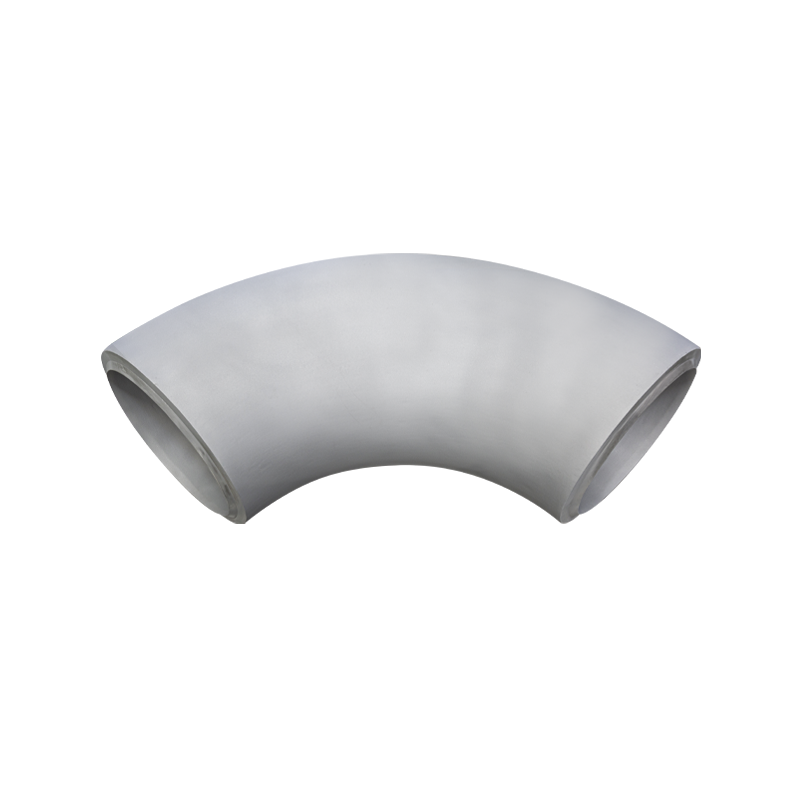 Butt Weld 90 fokos könyök gyártók, gyár A Gaoxin kínai nagykereskedelmi tompahegesztési varrat 90 fokos könyökgyártó, nagy átmérőjű könyökgyár, ajánlat (PED, AD2000, EAC, ABS tanúsítvány... Termék megtekintése →
 Rozsdamentes acél: korrózióállóság, amely idővel megtérül
A rozsdamentes acél értéke a tartósság korrozív környezetben. A króm-oxid réteg ellenáll a rozsdának, és nikkel és molibdén hozzáadása növeli a kloridokkal és savakkal szembeni ellenállást. A 304-es fokozat 18% krómot és 8% nikkelt tartalmaz, az általános célú igásló. A 316L fokozat hozzávetőlegesen 2-3% molibdént ad hozzá, ami észrevehetően javítja a kloridot tartalmazó közegek, például tengervíz, sóoldat és vegyszeráramok lyukasztó ellenállását.
A kompromisszum az ár. A rozsdamentes acél súly alapján általában kétszer-négyszer többe kerül, mint a szénacél, sűrűsége pedig valamivel magasabb, körülbelül 8000 kg/m3, szemben a szénacél nagyjából 7850 kg/m3 értékével. De a vegyi feldolgozásban, az élelmiszer- és italgyártásban, a gyógyszerészeti, a tengeri és a tengervízi alkalmazásokban a szénacél gyorsan meghibásodik, és gyakori cserét igényel. Az üzem tervezési élettartama során a rozsdamentes opció gyakran alacsonyabb összköltséget jelent.
A rozsdamentes csőszerelvények az ASTM A403 szabvány szerint készülnek, a WP304 és a WP316L a leggyakoribb minőségek. A tengerészeti és vegyipari szolgáltatásban, 316L-es korrózióálló rozsdamentes acél csőszerelvények gyakran előírják, mert megőrzik mind a mechanikai integritást, mind a felületi tisztaságot. A rozsdamentes szerelvények pácolt, fényre lágyított vagy elektropolírozott felülettel is kaphatók, amelyek javítják a tisztíthatóságot és tovább csökkentik a helyi támadások esélyét.
A gyártás figyelmet érdemel. A rozsdamentes acél kevésbé hatékonyan vezeti a hőt, mint a szénacél, és ha a hegesztési hőbevitel túl magas, az anyag elérzékenyülhet és elveszítheti a korrózióállóságát a hőhatászónában. A hegesztési eljárásoknak szabályozniuk kell az áthaladási hőmérsékletet, és a töltőfémet úgy kell megválasztani, hogy a kötés korrózióálló szerkezete megmaradjon. Amikor szénacélt és rozsdamentes acélt össze kell hegeszteni, átmeneti töltőanyagot, például ER309L-t vagy ERNiCr-3-at használnak az összetételbeli különbségek kezelésére és a repedések megelőzésére.
Főbb különbségek egy pillantással
A szénacél és a rozsdamentes acél összehasonlítása a csőrendszerekben legfontosabb tulajdonságok között. | Tulajdonság | Szénacél | Rozsdamentes acél |
| Krómtartalom | Elhanyagolható, jellemzően 1% alatt | legalább 10,5%; tipikus osztályzatok 16-18% |
| Korrózióállóság | Alacsony; nedvességben és kloridokban rozsdásodik | Magas; öngyógyító oxidréteg |
| Sűrűség | Körülbelül 7850 kg/m3 | Kb. 8000 kg/m3 |
| A szokásos idomok minimális szakítószilárdsága | A234 WPB: 415 MPa | A403 WP304: 515 MPa |
| Relatív anyagköltség | Alapvonal | Nagyjából 2-4-szer magasabb |
| Hegeszthetőség | Jó; vastag részeknél előmelegítésre lehet szükség | Jó; szabályozott hőbevitelt és megfelelő töltőanyagot igényel |
| Tipikus csőrendszeri alkalmazások | Olaj és gáz, nagynyomású gőz, szerkezeti, védett vezetékek | Vegyi, gyógyszerészeti, élelmiszeripari, tengeri, vízkezelési |
Hogyan válasszuk ki a megfelelő anyagot a csőszerelvényekhez
A szerelvényeket ugyanabból az anyagcsaládból kell kiválasztani, mint a csatlakoztatott cső. A szénacél és a rozsdamentes acél nedvesített rendszerben történő keverése olyan galvánpárt hoz létre, amely felgyorsítja a korróziót a kevésbé nemes anyagon, ezért a döntést az egész sorra kell meghozni, nem egy komponensre.
Kezdje a szolgáltatási környezettel
Értékelje a folyadék összetételét, hőmérsékletét, nyomását és a helyszín körülményeit. Ha kloridokra, savakra, tengervízre vagy terméktisztasági követelményekre van szükség, a rozsdamentes acél a biztonságosabb út. Ha a közeg száraz gáz, szénhidrogén vagy tiszta gőz, és a külseje védhető, a szénacél általában megbízhatóan működik.
Hasonlítsa össze az életciklus költségeit, ne csak a beszerzési árat
A szénacél beszerzése olcsóbb, de előfordulhat, hogy bevonatokra, bélésekre, falvastagság korróziós ráhagyására, valamint gyakoribb ellenőrzésre és cserére van szükség. A rozsdamentes acél kezdetben drágább, és gyakran olcsóbb megoldássá válik az üzem 20-30 éves élettartama alatt. Vegye figyelembe a telepítést, a karbantartást és az állásidőt a számításban.
Alkalmazza a megfelelő termékszabványokat
A tompahegesztésű szerelvények méretkövetelményei az ASME B16.9 vagy a JIS B2311 szabványt követik; karimák követik az ASME B16.5. Az anyagspecifikációk különállóak: ASTM A234 a szénacél szerelvényekhez és ASTM A403 a rozsdamentes acélhoz. A szabványnak és a minőségnek is fel kell tüntetnie a beszerzési rendelésen. mert ipari minőségű rozsdamentes acél 304 tompahegesztésű szerelvények a szénacél szerelvényekkel megegyező méretburok, a kapcsolási anyagok nem kényszerítik ki a csőelrendezés megváltoztatását.
Ellenőrizze az illesztési fokozatot az üzemi hőmérséklethez
A szénacél vasalatminőségek különböző hőmérsékletű ablakokat fednek le. Az A234 WPB normál ipari hőmérsékletekhez illeszkedik, míg a WPL6 alacsony hőmérsékletű, nagyjából -46°C-os üzemelésre van előírva. A rozsdamentes oldalon a 304 és 316L lefedi a legtöbb folyamathőmérsékletet, de a magas hőmérsékletű szervizek stabilizált minőségeket igényelhetnek, mint például a 321H vagy a 347H, hogy megakadályozzák a keményfém csapadékot. A a hozzáillő csőanyagból készült hegesztett nyakú karima stabilan tartja a kötést szilárdságban és korróziós viselkedésben.
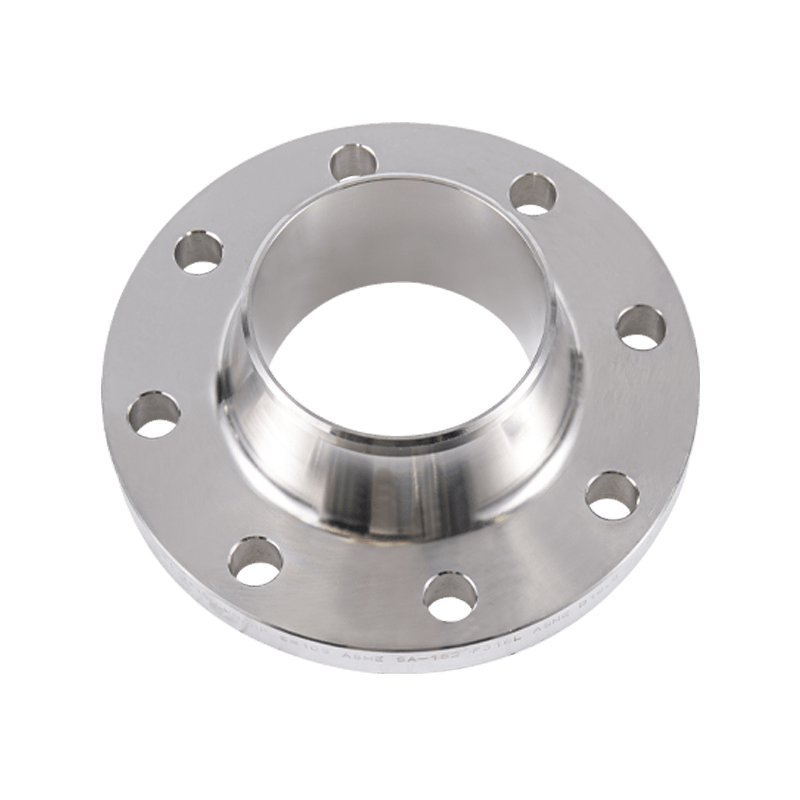 Hegesztett nyaki karima beszállítói, egyedi cég A Gaoxin Pipe Fittings kínai rozsdamentes acél hegesztési nyakkarima beszállítója, egyedi szén-/ötvözött acél hegesztési nyakkarima cég, átmérő... Termék megtekintése →
 Ellenőrizze a gyártót
Megrendelés előtt győződjön meg arról, hogy a gyártó szénacél és rozsdamentes acél szerelvényeket is tud gyártani az előírt specifikáció szerint, és hogy az ellenőrzési programja kiterjed a kémiai elemzésre, a mechanikai tesztelésre és szükség esetén a roncsolásmentes vizsgálatra. A nyomástartó rendszerhez szánt szerelvénynek anyagvizsgálati tanúsítvánnyal kell érkeznie, amely tartalmazza a hőszámot, a kémiai összetételt és a mechanikai tulajdonságokat. Az alacsony hőmérsékletű használathoz használt szénacél szerelvényeken fel kell tüntetni az ütési teszt hőmérsékletét, és a rozsdamentes szerelvényeket ellenőrizni kell a megfelelő ASTM A403 minőséggel, beleértve az alacsony szén-dioxid-kibocsátás jelölést is, ahol szükséges. Az a beszállító, amely mindkét anyag közös minőségét raktáron tartja, és dokumentálja az anyagok nyomon követhetőségét, csökkenti annak kockázatát, hogy rossz minőség érkezzen a helyszínre.
Végső ítélet
A szénacél és a rozsdamentes acél nem cserélhető fel a folyamatszolgáltatás során. A szénacél alacsonyabb költségeket, jó szilárdságot és bizonyított teljesítményt biztosít száraz vagy védett környezetben. A rozsdamentes acél korrózióállóságot, tiszta felületeket és hosszú élettartamot biztosít agresszív közegben, magasabb kezdeti áron.
Válasszon a folyadékot és a környezetet szem előtt tartva, majd ellenőrizze a kódkövetelményeket és az életciklus-költségvetést. A csőrendszerekben mindkét család ugyanazokat a méretszabványokat követi, így a kiválasztás nem geometriai, hanem műszaki és gazdasági döntés. Mivel a csőszerelvény-gyártók gyártják tompahegesztéssel egyenlő póló Az azonos mérettartományon belüli szénacélból, rozsdamentes acélból és ötvözetből készült egyéb alkatrészek esetében a felhasználó szabadon szabványosíthatja azt az anyagot, amely a legjobban megfelel a tényleges üzemi feltételeknek.
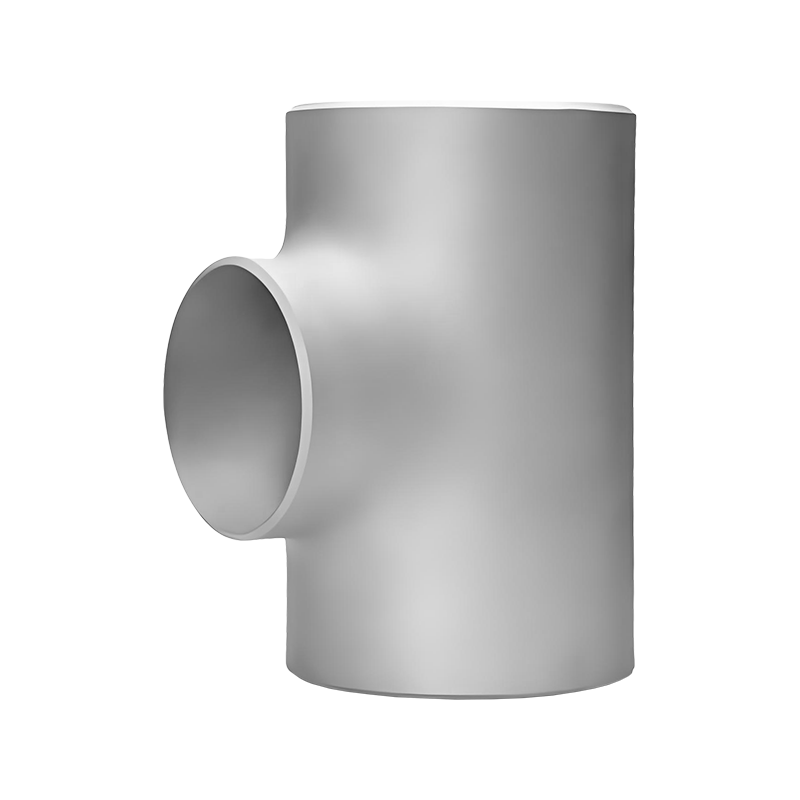 Butt Weld Equal Tee beszállítók, egyedi cég A Gaoxin Pipe Fittings kínai rozsdamentes acél Butt Weld Equal Tee beszállító, egyedi szén/ötvözött acél Butt Weld Equal Tee Company, S... Termék megtekintése →




 Language
 2025-11-17Olvasson tovább
 2025-11-17Olvasson tovább